


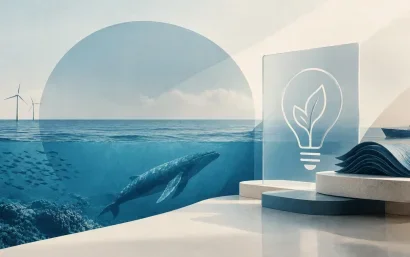
The Blue Economy and Intellectual Property: Protecting Innovation Without Privatizing the Ocean
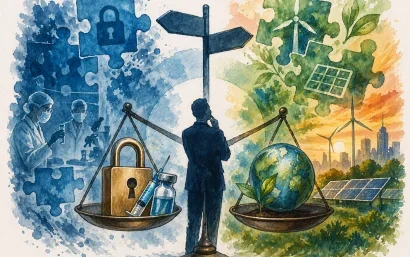
From Vaccines to Climate Tech: Are We Repeating the Same IP Mistakes?
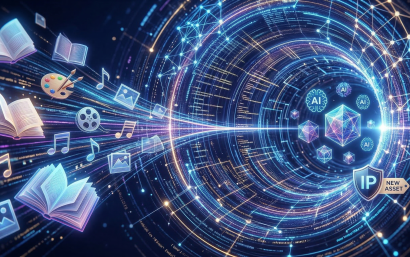
Are AI Training Datasets the Next Frontier of Intellectual Property?

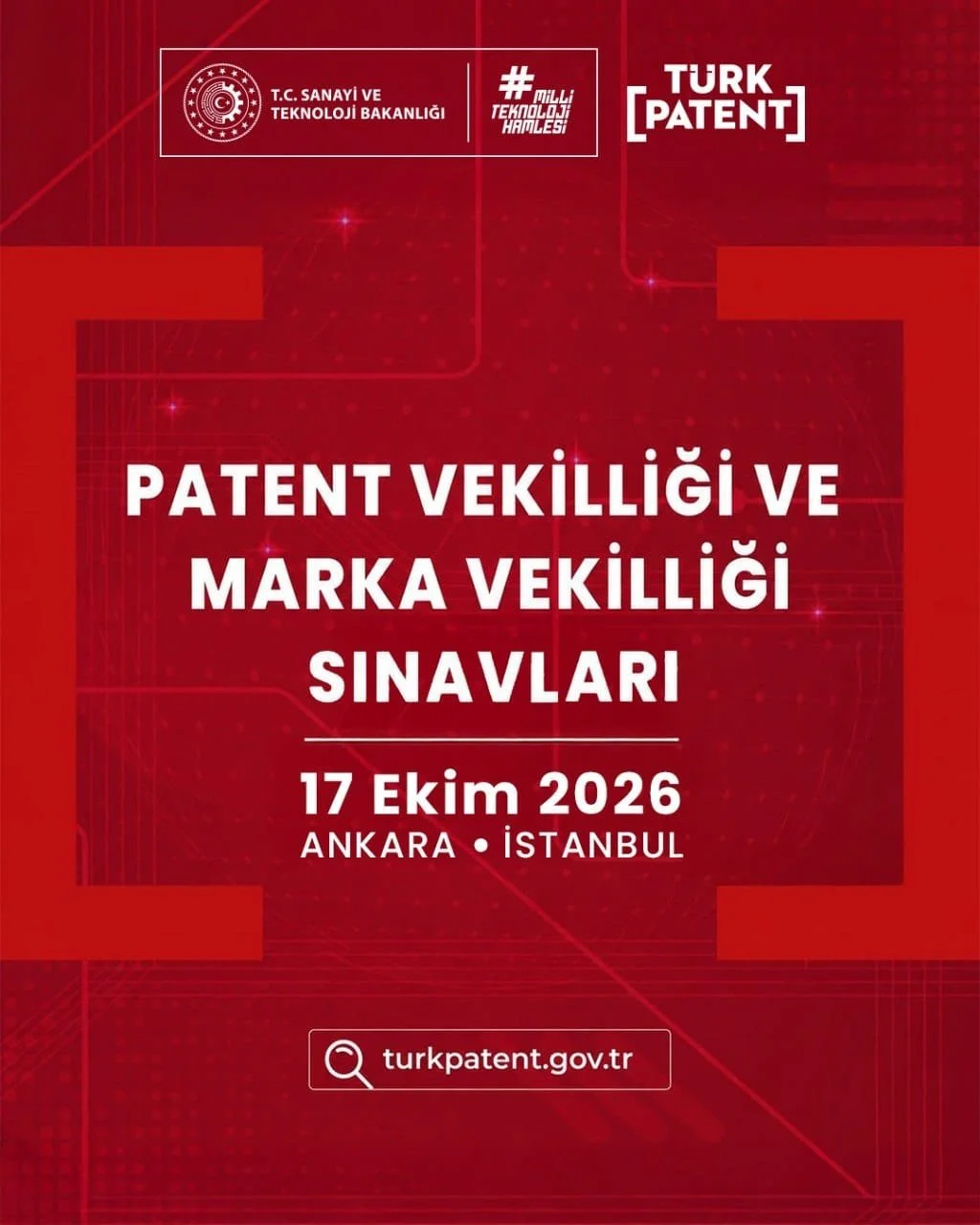
Vekillik Sınavı 17 Ekim 2026 Tarihinde Yapılacak
30.Tem.2026
Dünya Fikri Mülkiyet Günümüz Kutlu Olsun
26.Nis.2026

II. Haberin Telifi ve Medyada Yapay Zeka Sempozyumu | 02 Aralık 2024
26.Kas.2024

III. Bilişim ve Teknoloji Hukuku Sempozyumu 29-30 Kasım 2024
12.Kas.2024

V. Fikri Mülkiyet Hukuku Uluslararası Sempozyumu 30 Kasım – 1 Aralık 2023
22.Eki.2023

V. Fikri Mülkiyet Hukuku Uluslararası Sempozyumu | 30 Kasım 2023
20.Eyl.2023

Patent ve Marka Vekilliği Sınavı Hazırlık Eğitimi | 30 Eylül – 19 Ekim 2023
13.Eyl.2023

Uluslararası Kapadokya IP Günleri | 7-9 Eylül 2023
23.Ağu.2023

3. Kültür Endüstrisi ve Telif Hakları Sempozyumu – 08.12.2023
05.Ağu.2023

Fikri Mülkiyet Hukukunda Güncel Gelişmeler Uluslararası Sempozyumu 23 Haziran 2023
12.Haz.2023
En Çok Okunanlar
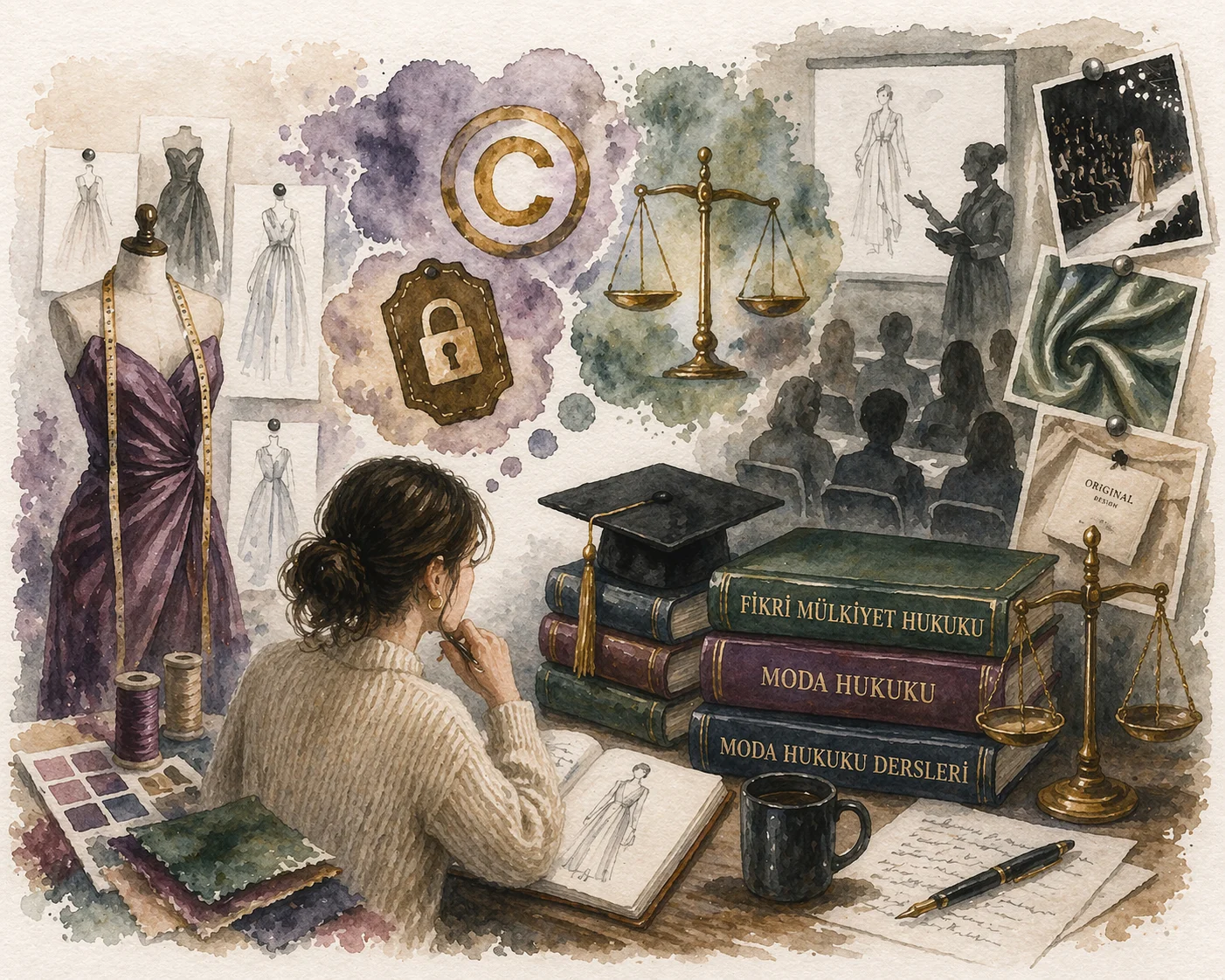
Moda Hukuku ve Moda Hukuku Dersleri Üzerine Düşünceler
14.Nis.2026
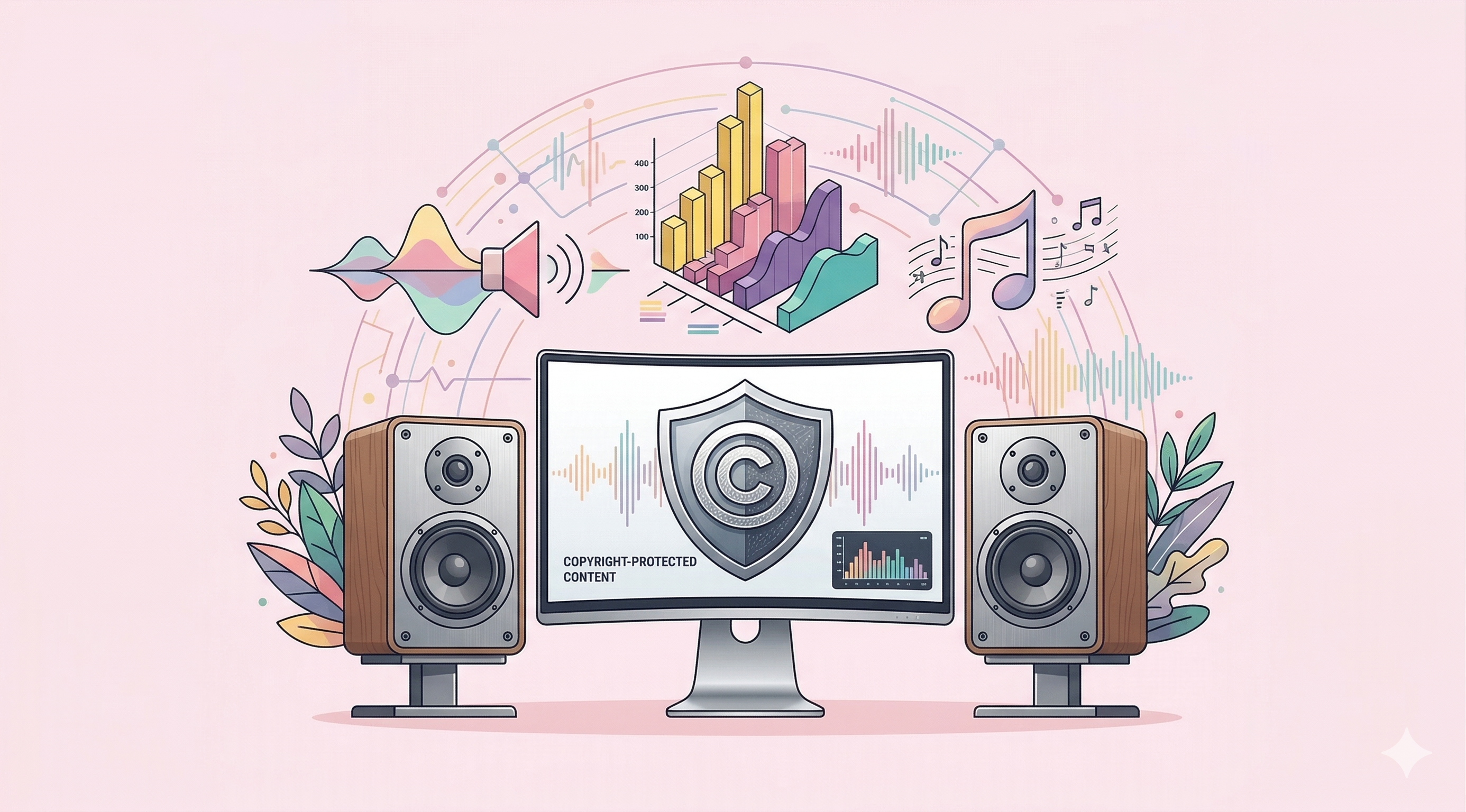
Müzik Sektöründe Edisyon Sözleşmesinin Hukuki Çerçevesi ve Benzer Sözleşmelerle İlişkisi
25.Mar.2026
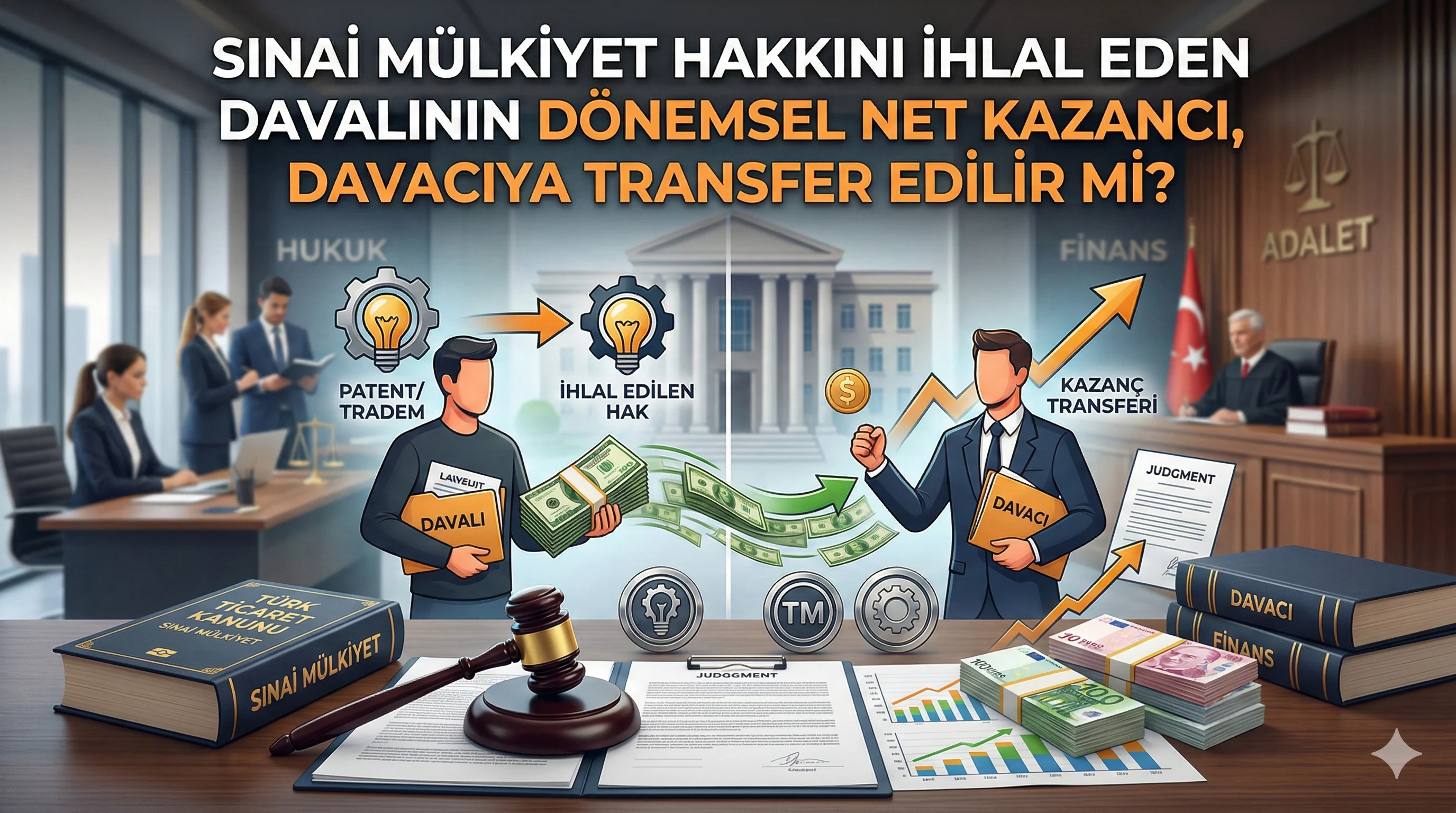
Sınai Mülkiyet Hakkını İhlal Eden Davalının Dönemsel Net Kazancı, Davacıya Transfer Edilir mi?
03.Mar.2026
.webp)
Dijitalleşme Sürecinde Basında Telif Haklarının Korunması Sempozyumu Gerçekleştirildi
17.Eki.2022

AB Dijital Telif Hakları Yönergesi
16.Nis.2021

İlaçta Fikri Mülkiyet ve Regülasyon
29.May.2019

Açık Bilim ve Açık Erişimin Yolu Açık Mı?
15.Mar.2019